Areas I Work With
How Can a Brain Injury Affect Communication and Swallowing?
Changes to the brain following a traumatic or acquired brain injury, stroke or other neurological condition can affect the way we communicate, think and swallow in many different ways. Some people experience changes in one particular area, while others notice changes across several areas.
Everyone's experience is different. Together, we'll explore your strengths, understand how these changes are affecting your everyday life and develop practical strategies to support communication, confidence and independence.
Below are some of the communication and swallowing changes I commonly work with. You may recognise one of these descriptions, or you may find that your experience involves a combination of different areas.
Aphasia
Do you ever feel like the words are there, but they just won't come out?
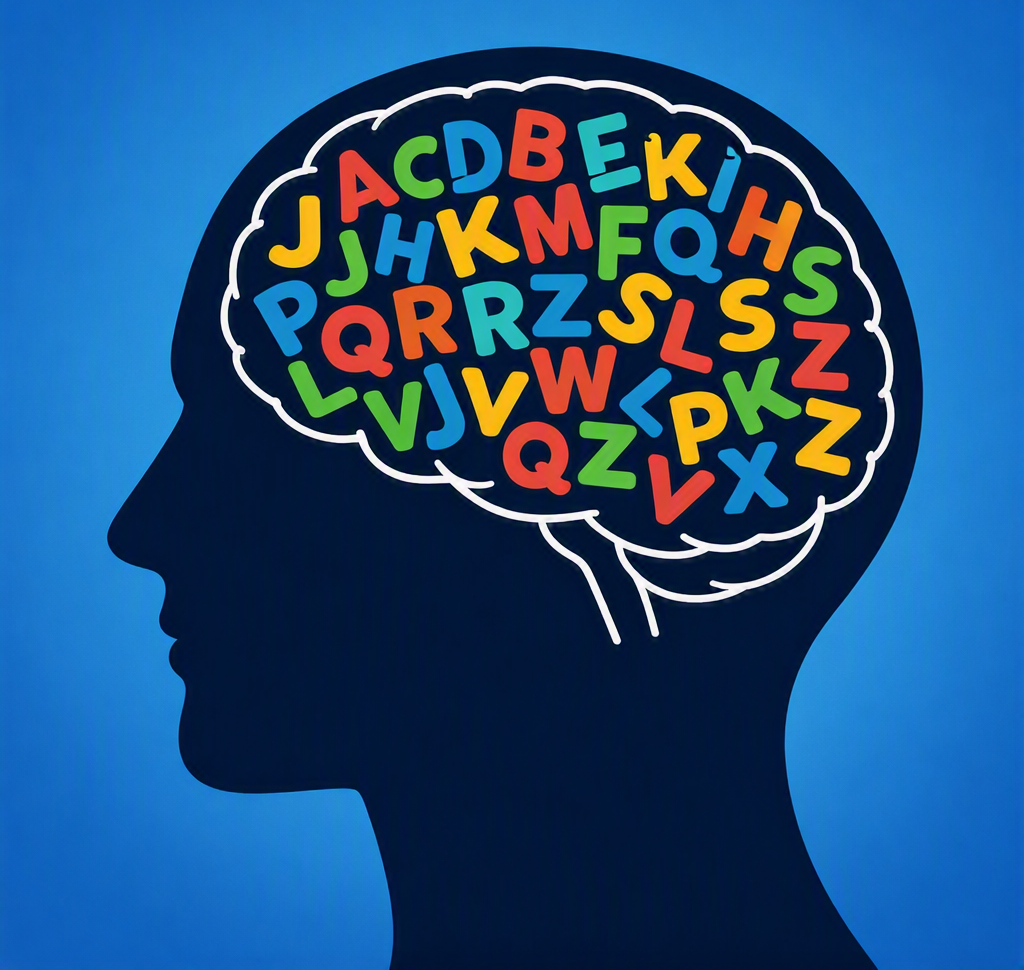
Aphasia affects language. It can change the way you understand what people say, find the words you want to use, or communicate through reading and writing.
For some people, it may be difficult to find everyday words. For others, they may be able to speak in sentences but find that the words become muddled or don't quite say what they intended. Some people can follow shorter conversations but find that too much information at once becomes difficult to process.
Aphasia looks different for everyone. Therapy focuses on understanding how it affects you and finding strategies that support communication in the situations that matter most.
Apraxia of Speech
Do you know the words you want to say, but your speech doesn't always come out how you expect?
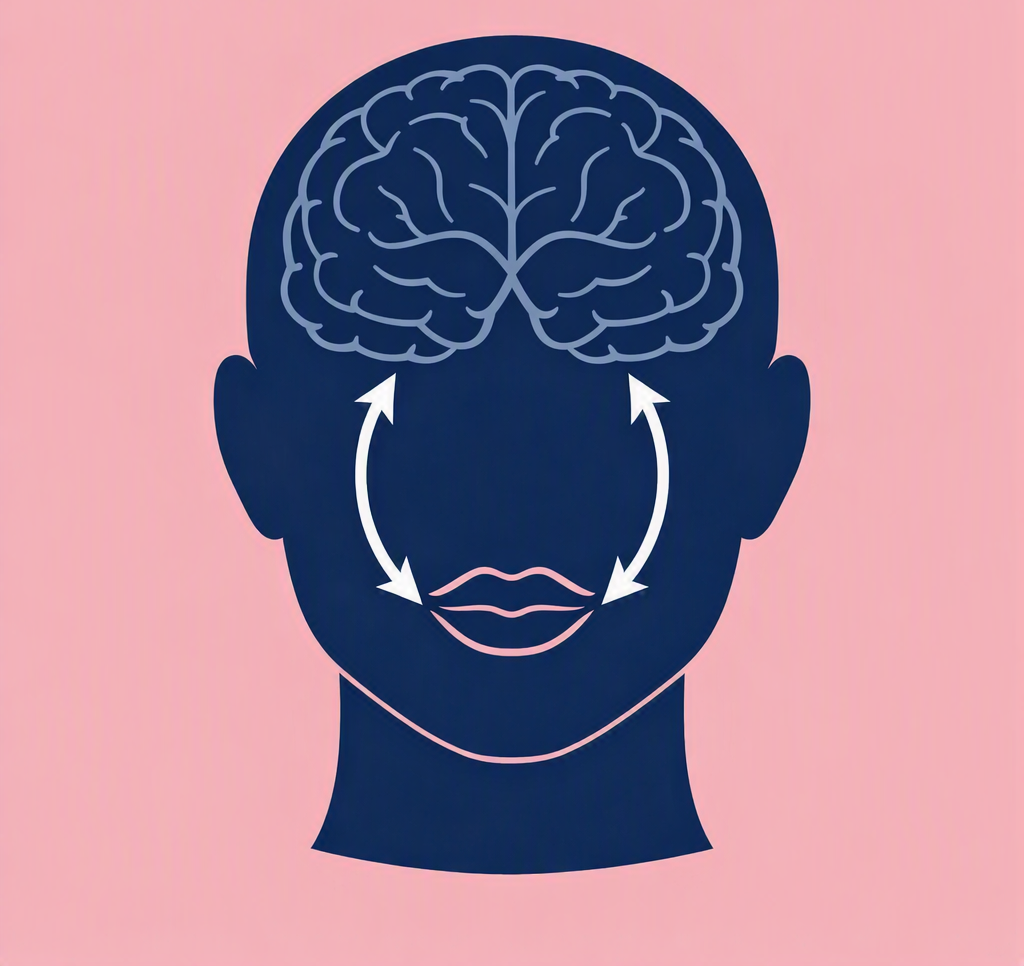
Apraxia of Speech affects the brain's ability to plan and coordinate the movements needed for speech. The muscles involved in speaking may work well, but the messages from the brain telling them how to move are not always as clear.
This can be incredibly frustrating, particularly when a word is easier to say on one day compared with another. Therapy focuses on developing strategies that support clearer speech and more confident communication.
"I was very happy and privileged to work with Emma. She has taught me a lot that I use in my day to day activities. I would recommend Emma to anyone with speech and language difficulties like myself."
Dysarthria
Has your speech changed so that people find it harder to understand you?
Dysarthria is caused by weakness or changes in the muscles used for speech. You may notice that your speech sounds slurred, quieter, less clear or that your voice has changed.
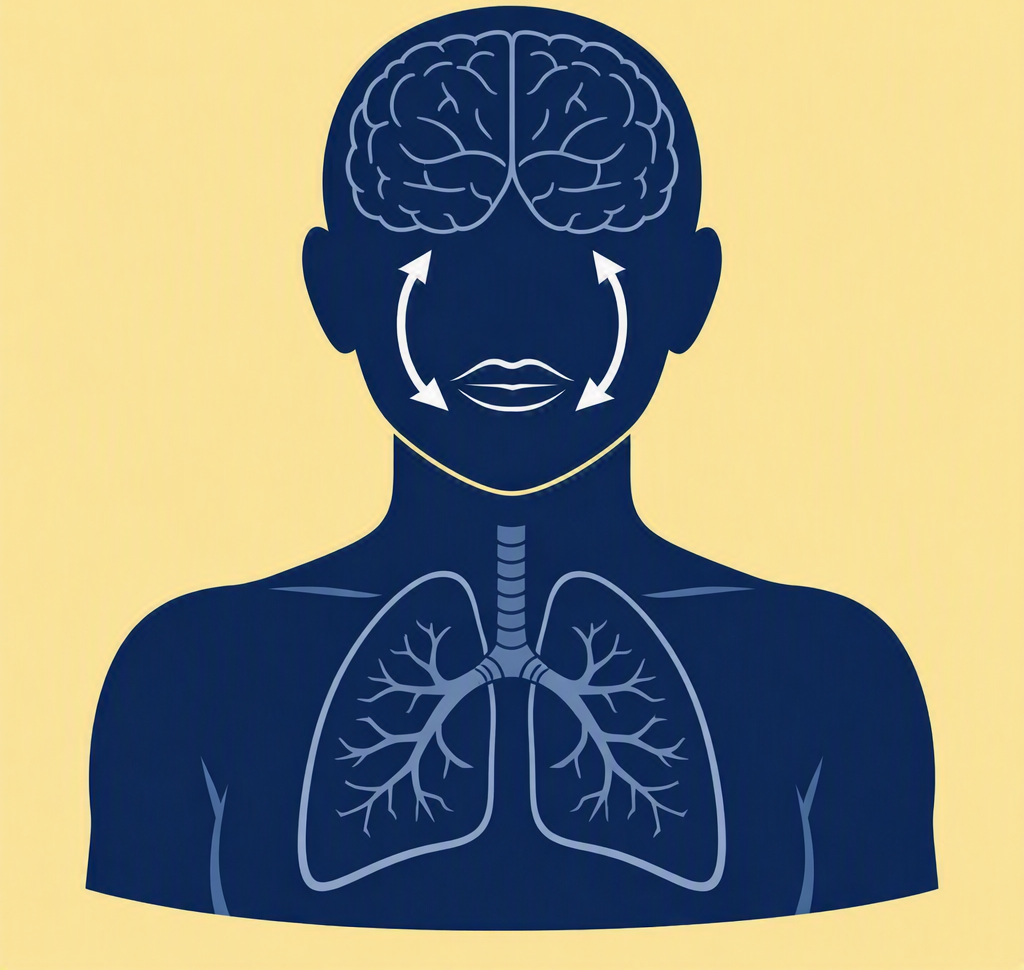
Speech involves many different muscles, starting with our breathing and extending through the muscles of our face, mouth and voice. This means dysarthria can affect more than just the clarity of individual sounds; it can also influence speech volume, pace and the expression or "colour" in your voice.
Therapy focuses on understanding these changes and finding practical ways to support clearer, more effective communication.

Cognitive Communication Disorder
Communication is about much more than words.
Our brain uses many different thinking skills to help us communicate every day. These include planning what we want to say, remembering information, concentrating during conversations, organising our thoughts and adapting how we communicate in different situations.
When these thinking skills are affected following a brain injury, stroke or other neurological condition, communication can become more challenging. You might find that conversations are easier in a quiet environment but much harder in a busy café, during a work meeting or when you are tired or under pressure.
Things such as fatigue, pain, stress and emotions can also have a significant impact on communication. This combination of thinking skills and communication changes is often described as a cognitive-communication disorder.
Therapy focuses on understanding these challenges and developing strategies that support communication in real-life situations.
Dysphagia (Swallowing Difficulties)
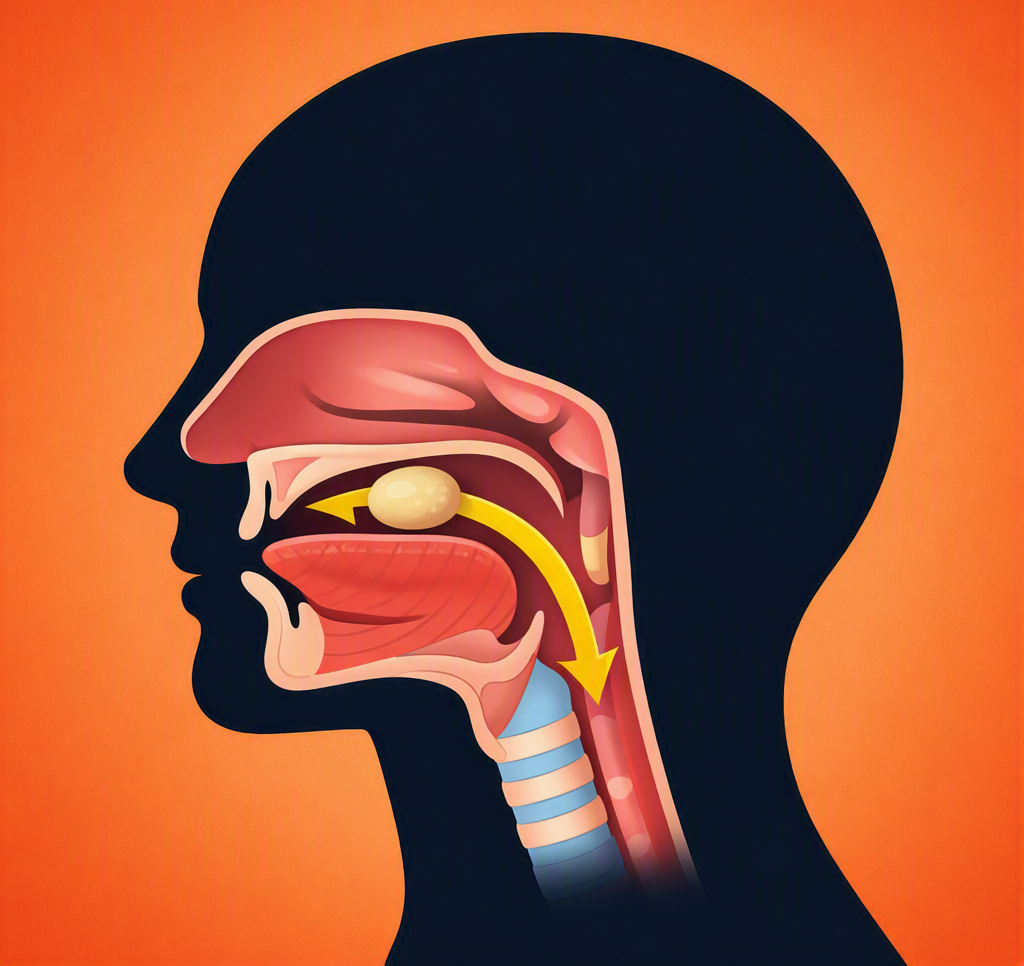
Swallowing can also be affected following a brain injury, stroke or other neurological condition.
Some people notice changes to eating and drinking during their recovery, while others experience longer-term swallowing difficulties.
You may have been advised to make changes to the texture of your food or drinks, or you may need additional support with eating and drinking safely.
I can provide assessment and management of neurological swallowing difficulties, working alongside you and other members of your healthcare team to support safe and comfortable eating and drinking.
"Emma was excellent from the first moment we met her. So professional and helpful. We are indebted to her for all her support!"
Online & In-Person Therapy
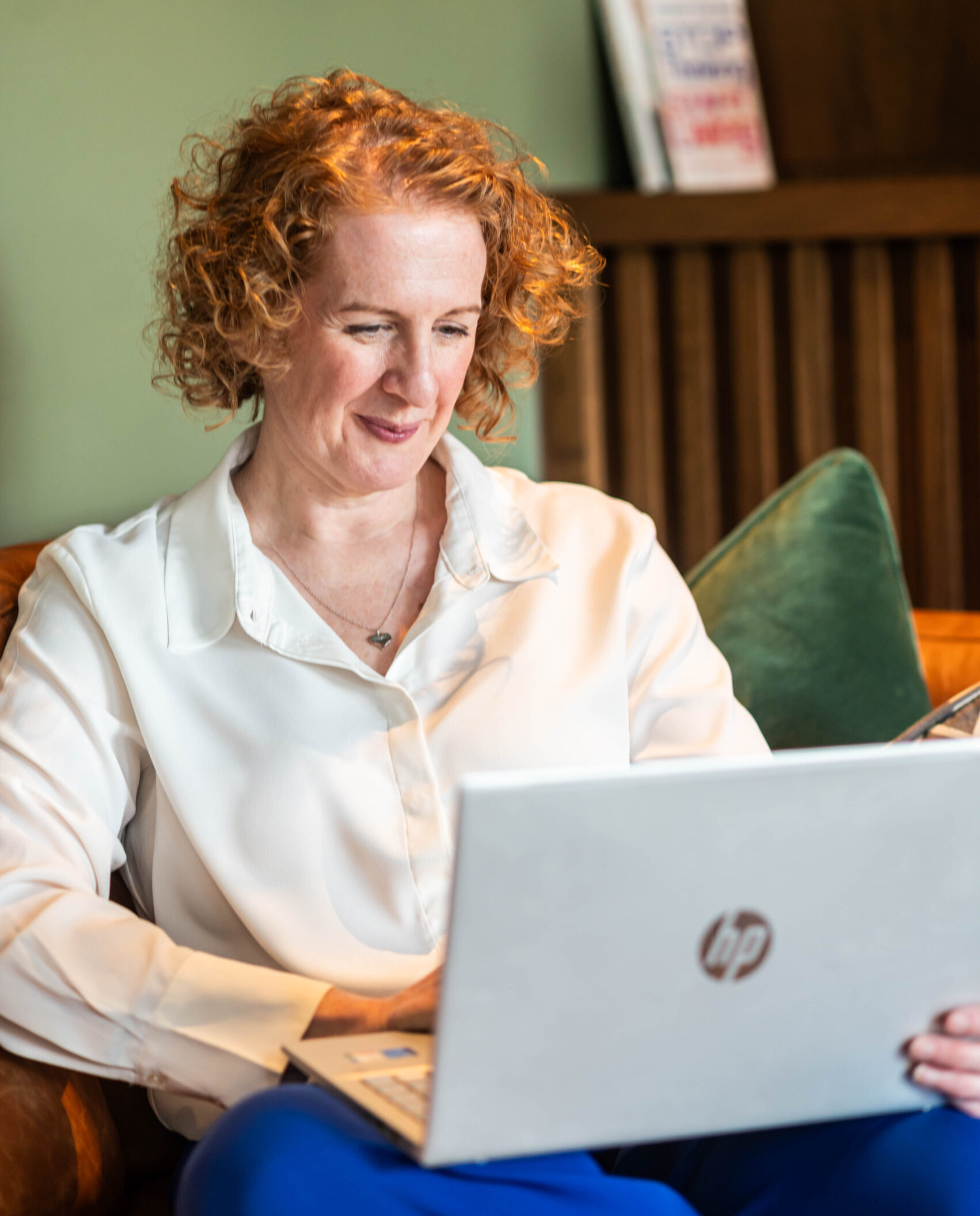
How we work together will depend on your goals, your circumstances and what fits best with your everyday life. I offer in-person, online and hybrid speech and language therapy, giving us the flexibility to choose the approach that works best for you.
If you're based in the East Midlands, we can choose the approach that works best for you, whether that's meeting in person, online or a combination of both. I also work with clients across the UK through online therapy.
Communication is often easiest to develop in the places where it's used every day. Depending on your goals, this might mean working together at home, in your workplace, at a local café or within a community group or activity that's important to you. These real-life settings can provide valuable opportunities to try new strategies, build confidence and develop communication in the places that matter most to you.
As your needs change, the way we work together can change too. We'll regularly review what's working well and adapt therapy to ensure it continues to support your goals and the life you want to lead.
Want to explore speech and language therapy?
A free 30-minute discovery call is the first step.